Is the Medina Safe at Night?
One of the most common questions travelers ask when planning a trip to Morocco is whether the medina is safe at night. Moroccan medinas are the historic hearts of cities such as Marrakech, Fes, Rabat, Meknes, Essaouira, and Tangier. These old towns are full of narrow alleys, traditional riads, lively souks, street food stalls, and centuries-old architecture. During the day, medinas are vibrant and busy, but many visitors wonder how the atmosphere changes after sunset and whether it is safe to walk through the medina at night.
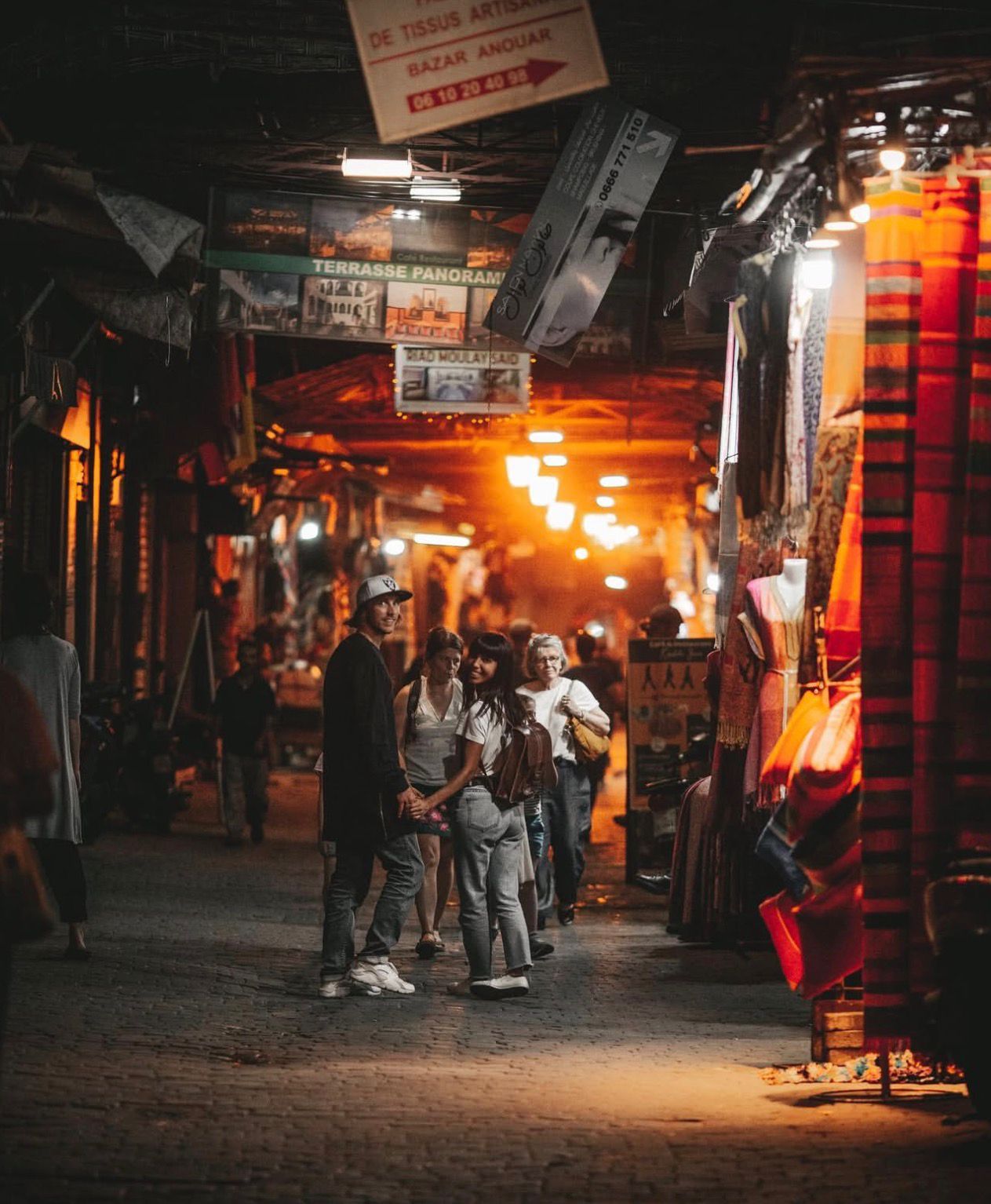
In general, Moroccan medinas are safe at night, especially in tourist-friendly cities. Like any historic district in the world, safety depends on awareness, location, and behavior. Most medinas remain active well into the evening, with locals shopping, families walking, cafés open, and restaurants welcoming guests. The presence of people, lighting in main streets, and tourism infrastructure contributes to a sense of security.
In cities such as Marrakech, the medina becomes even more alive at night. Jemaa el-Fnaa square transforms into a bustling open-air food market filled with lights, music, storytellers, and food vendors. Many travelers feel safer here at night than during the day because the area is crowded and lively. Walking through main streets near popular riads, restaurants, and landmarks is generally comfortable and enjoyable.
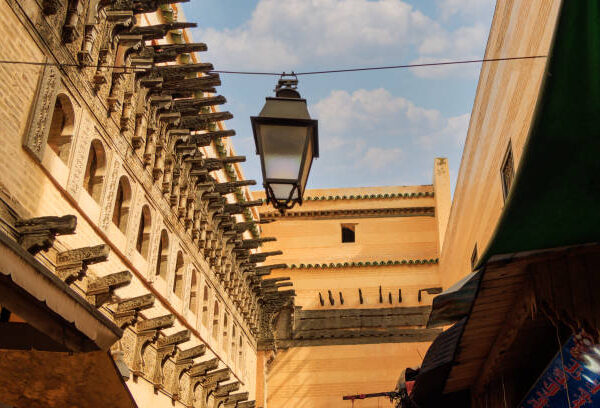
The Fes medina, one of the largest and oldest in the world, is quieter at night but still safe when visitors stay near main routes. Because the streets are more complex and darker in some areas, travelers are advised to stay close to their accommodation or use a local guide if unfamiliar with the layout. Riads often provide staff who can escort guests or arrange trusted taxis for nighttime outings.
In Essaouira, the medina has a relaxed and peaceful atmosphere after sunset. The coastal air, soft lighting, and smaller size make it one of the easiest and safest medinas to explore at night. Restaurants, art galleries, and cafés remain open, and travelers often enjoy evening walks without concern.
Rabat and Meknes also offer calm and secure medinas at night, particularly around central areas and near tourist accommodations. These cities are less chaotic than Marrakech or Fes, which many travelers find reassuring during evening strolls.
While Moroccan medinas are generally safe, travelers should still follow common-sense precautions. Avoid wandering into dark, empty alleys late at night, especially if you are unfamiliar with the area. Stick to well-lit streets, follow main paths, and trust your instincts. If a street feels uncomfortable, simply turn back or ask for assistance. Most locals are friendly and helpful, and police patrols are present in tourist areas.
Petty crime, such as pickpocketing, can occur in busy areas, just as it does in many European cities. Keeping valuables secure, avoiding flashy jewelry, and using a cross-body bag or money belt can reduce risks. Violent crime against tourists in Moroccan medinas is extremely rare.
For solo travelers, including solo female travelers, the medina at night is usually safe when staying aware and confident. Dressing modestly, avoiding isolated streets, and politely declining unwanted attention helps ensure a comfortable experience. Many solo travelers report feeling safe walking through medinas in the evening, especially near restaurants, riads, and popular attractions.
Families traveling with children often find medinas safe at night when staying close to central areas. Evening walks to dinner or nearby shops are common and enjoyable. Children often enjoy the lights, sounds, and street food culture that comes alive after dark.
Hiring a local guide for evening tours is another excellent option. Guided night walks offer cultural insights while ensuring safe navigation through complex medina streets. This is especially recommended in large medinas like Fes and Marrakech for first-time visitors.
Transportation also adds to nighttime safety. Taxis are widely available near medina entrances, and most riads can arrange reliable transfers. Because cars cannot enter most medinas, short walks are usually required, but riad staff often assist guests upon arrival.
Cultural awareness also plays a role in safety. Moroccan medinas are living neighborhoods, not just tourist attractions. Respecting local customs, being polite, and avoiding loud or disruptive behavior helps travelers blend in and feel more comfortable. Evening prayer times may quiet some areas temporarily, while others remain lively.
Overall, the answer to whether the medina is safe at night is yes, for the vast majority of travelers. Moroccan medinas are part of daily life, not dangerous zones. With basic awareness, respectful behavior, and smart planning, nighttime exploration can be one of the most memorable parts of a Morocco trip.
Walking through a medina at night allows travelers to experience a different side of Morocco. The cooler temperatures, glowing lanterns, sounds of evening life, and aroma of street food create an atmosphere that feels authentic and magical. From rooftop dinners overlooking the medina to quiet alleys leading back to a riad, nighttime in the medina often becomes a highlight of the journey.
In conclusion, Moroccan medinas are generally safe at night for tourists, including solo travelers, couples, families, and groups. By staying in central areas, using common sense, and respecting local culture, visitors can confidently enjoy the beauty, history, and unique energy of the medina after dark. Exploring the medina at night is not only safe it is one of the most rewarding experiences Morocco has to offer.