Is It Safe to Travel to Morocco Now for American Travelers?
Everything You Need to Know
Morocco has long been one of the most captivating travel destinations in North Africa, attracting millions of visitors each year with its vibrant cities, rich culture, breathtaking landscapes, and warm hospitality. From wandering through the colorful souks of Marrakech and exploring the blue streets of Chefchaouen to riding camels across the golden Sahara Desert and discovering the ancient medina of Fes, Morocco offers experiences that few destinations can match. If you’re an American planning a vacation, you may be asking yourself, “Is it safe to travel to Morocco now?” The answer is that, for most travelers, yes Morocco remains a popular and welcoming destination, but like any international trip, it is important to stay informed, follow official travel advice, and take sensible precautions.
The U.S. Department of State currently advises American travelers to exercise increased caution when visiting Morocco. This advisory is largely based on the possibility of terrorist threats, which can exist in many countries around the world and may target crowded public places such as tourist attractions, transportation hubs, shopping centers, markets, hotels, and government buildings. However, this advisory does not discourage tourism. Morocco continues to welcome millions of international visitors each year, and its government has invested heavily in security measures to protect both residents and tourists. Travelers will notice a visible security presence at airports, major tourist attractions, train stations, and public events, providing additional reassurance throughout their journey.
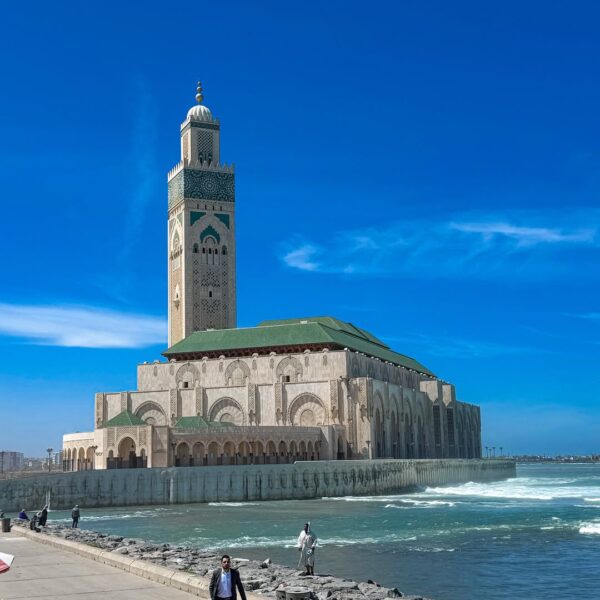
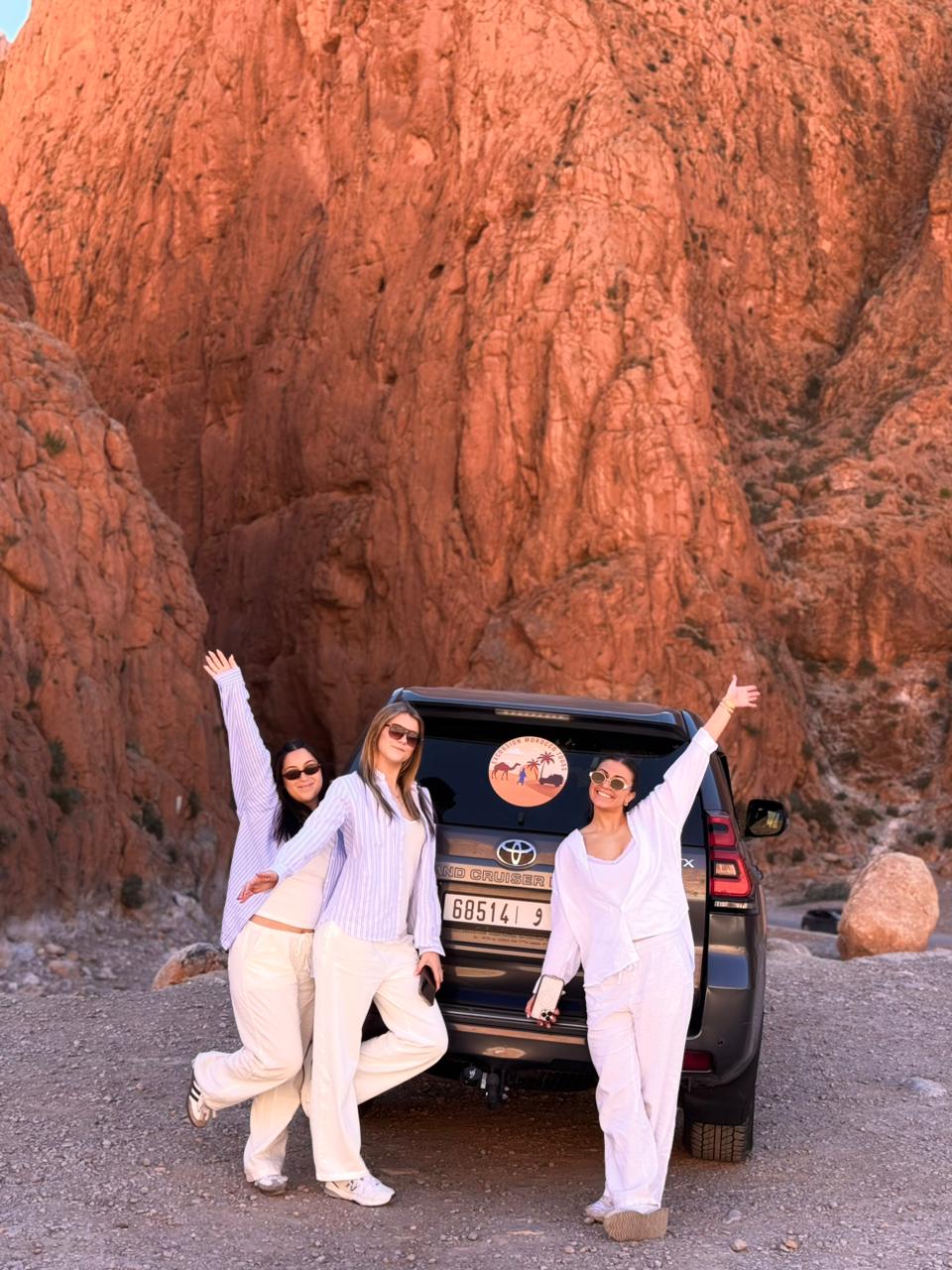
For American tourists, Morocco is generally considered a safe destination, especially when visiting well-known locations such as Marrakech, Casablanca, Rabat, Fes, Chefchaouen, Essaouira, and the Sahara Desert. These destinations have well-developed tourism industries, experienced tour operators, and accommodations that regularly welcome guests from around the world. Moroccan people are widely recognized for their hospitality, and many visitors describe their interactions with locals as one of the highlights of their trip. While English is becoming increasingly common in tourist areas, knowing a few basic French or Arabic greetings is often appreciated and can help create more meaningful connections.
Like any popular travel destination, the most common safety concerns in Morocco involve petty crime rather than violent crime. Pickpocketing and bag snatching can occur in crowded places such as busy markets, public transportation, and popular tourist squares. Travelers should keep valuables secure, avoid displaying expensive jewelry or electronics, carry only the cash they need, and remain aware of their surroundings, especially in crowded areas. Tourist scams can also occur, including unofficial guides offering unsolicited services, inflated taxi fares, or vendors charging excessive prices. These situations can usually be avoided by booking tours with licensed companies, agreeing on taxi fares in advance or using metered taxis where available, and politely declining unwanted offers.
Solo travelers, including women traveling alone, regularly visit Morocco and enjoy memorable experiences throughout the country. As with travel anywhere in the world, solo visitors should exercise common sense by avoiding isolated areas late at night, sharing travel plans with family or friends, and choosing accommodations with good reviews. Female travelers may occasionally experience unwanted attention, particularly in busy tourist areas. Dressing modestly, remaining confident, and respectfully declining unwanted interactions are practical ways to navigate these situations while enjoying the country’s incredible cultural attractions.
Transportation throughout Morocco is generally reliable and convenient. The country’s modern high-speed train connects major cities, while buses and domestic flights provide additional travel options. Renting a car is also possible, although drivers should exercise caution on rural roads and mountain routes, particularly after dark. In cities, licensed taxis are widely available, and travelers should ensure that drivers use the meter or agree on the fare before beginning the journey.
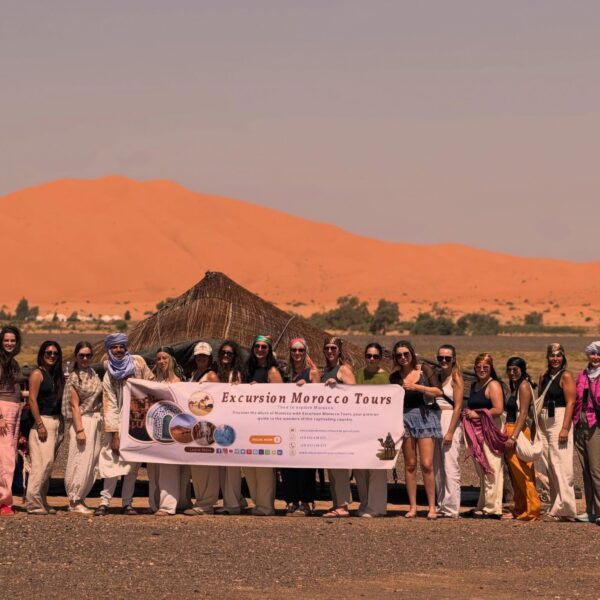
Healthcare services in Morocco are generally good in larger cities, where modern private hospitals and clinics are available. However, medical facilities may be more limited in rural areas and remote regions such as the Sahara Desert Tours . American travelers are strongly encouraged to purchase comprehensive travel insurance before departure, carry prescription medications in their original packaging, and bring a basic first-aid kit for minor health concerns. Drinking bottled or filtered water may also help avoid stomach discomfort for some visitors.
Respecting local customs contributes to both a safer and more enjoyable travel experience. Morocco is a predominantly Muslim country with rich cultural traditions, and visitors are encouraged to dress modestly, particularly when visiting religious sites or rural communities. Asking permission before photographing people, removing shoes when entering someone’s home if invited, and accepting traditional mint tea when offered are thoughtful gestures that demonstrate respect for local culture and hospitality.
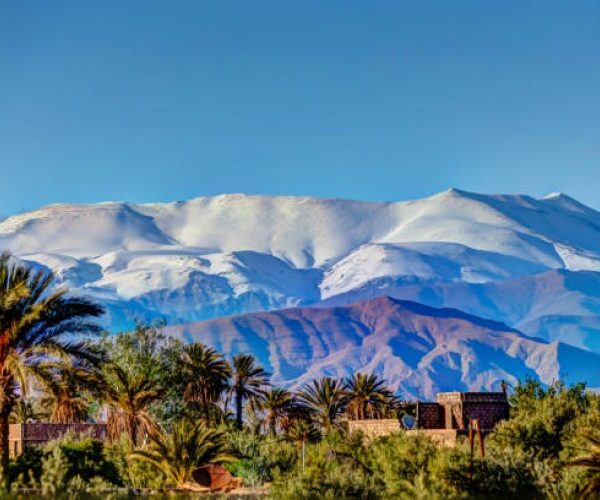
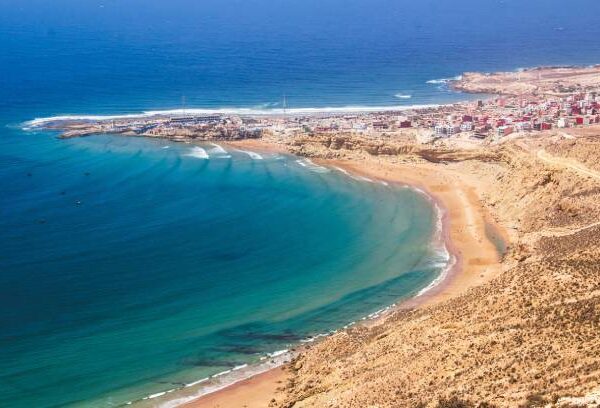
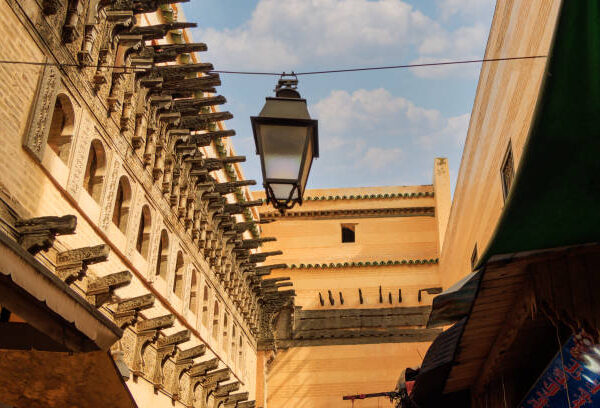
One of Morocco’s greatest strengths as a travel destination is its remarkable diversity. Travelers can spend one day exploring ancient medinas filled with colorful spices, handcrafted carpets, and intricate architecture, and the next day watching the sunset over the Sahara Desert or hiking through the spectacular Atlas Mountains. Coastal towns such as Essaouira offer a relaxed atmosphere, while cities like Marrakech and Fes provide endless opportunities to experience Morocco’s fascinating history, vibrant traditions, and world-famous cuisine. Whether you’re enjoying a traditional tagine, sipping fresh mint tea, shopping in centuries-old markets, or staying in a beautifully restored riad, Morocco offers unforgettable experiences for every type of traveler.
Is It Safe to Travel to Morocco Now for American Travelers? For Americans considering a trip, the key to a safe and enjoyable vacation is preparation. Before traveling, check the latest U.S. Department of State travel advisory, enroll in the Smart Traveler Enrollment Program (STEP), purchase travel insurance, keep copies of important documents, and stay informed about local conditions. While no destination is entirely free of risk, Morocco remains one of the most popular and rewarding countries to visit in North Africa. By following official guidance, protecting your belongings, using reputable tour operators, and exercising normal travel precautions, you can confidently explore Morocco’s vibrant cities, historic landmarks, breathtaking deserts, and welcoming communities.
Ultimately, Morocco continues to offer American travelers an extraordinary combination of culture, history, adventure, and hospitality. Its lively markets, stunning landscapes, ancient architecture, delicious cuisine, and friendly people make it a destination that leaves a lasting impression. With thoughtful planning and sensible precautions, a trip to Morocco can be both safe and unforgettable, providing memories that will stay with you long after you return home.