How Is the Weather in the Merzouga Desert?
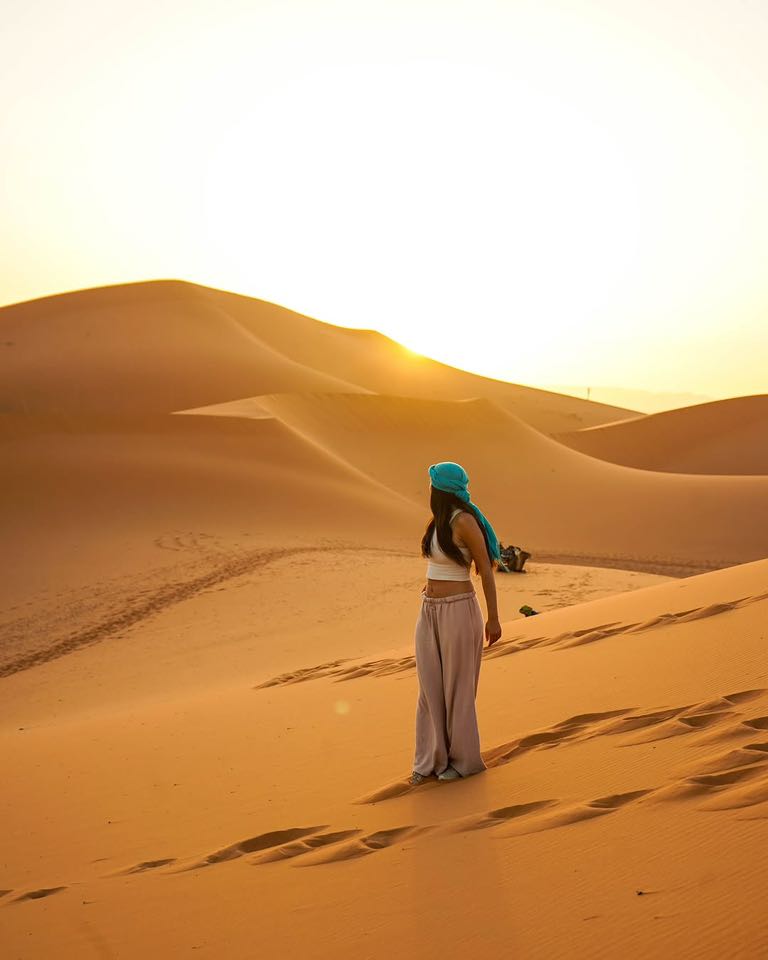
The weather in the Merzouga Desert plays a major role in shaping every Sahara experience in Morocco. Located in southeastern Morocco near the Algerian border, Merzouga is famous for the golden sand dunes of Erg Chebbi, one of the most spectacular desert landscapes in North Africa. Travelers planning Morocco desert tours, Sahara excursions, or camel trekking adventures often ask about temperatures, seasons, and the best time to visit Merzouga. Understanding the climate helps you choose the right season for comfort, photography, and unforgettable desert nights Merzouga has a classic Saharan desert climate, which means very low rainfall, strong sunshine throughout the year, and noticeable temperature differences between day and night. Whether you are joining a desert tour from Marrakech, Fes, or Casablanca, knowing what weather to expect in Merzouga will help you prepare properly.
Spring Weather in Merzouga Desert (March to May)
Spring is widely considered one of the best times to visit the Merzouga Desert. During this season, daytime temperatures are warm but not overwhelming, making spring ideal for Morocco desert tours, camel rides, quad biking, and overnight stays in desert camps In March, the weather in Merzouga begins to warm up after winter. Days are sunny and comfortable, while evenings remain cool. April and May bring slightly higher temperatures, but conditions are still excellent for exploring the Sahara Desert. Spring weather allows travelers to enjoy long walks on the dunes, stunning sunset views, and clear night skies filled with stars Spring is especially popular for travelers booking private Morocco tours, student desert tours, family tours in Morocco, and group Sahara excursions, as the climate suits all ages.
Summer Weather in Merzouga Desert (June to August)
Summer in the Merzouga Desert is known for extreme heat, especially during the peak months of July and August. Daytime temperatures can rise very high, and the sun is intense. Because of this, many desert activities are planned early in the morning or later in the afternoon to avoid the hottest hours Despite the heat, summer desert tours in Merzouga are still possible and can be very rewarding. The desert is quieter, prices can be more affordable, and nights in the Sahara are surprisingly pleasant. After sunset, temperatures drop, creating a comfortable atmosphere in traditional desert camps Travelers choosing summer Morocco tours often enjoy peaceful dunes, dramatic sunrises, and authentic Berber hospitality. Proper planning, air-conditioned transport, and experienced local guides make summer desert travel safe and manageable.
Autumn Weather in Merzouga Desert (September to November)
Autumn is another ideal season for visiting the Merzouga Desert. After summer, temperatures gradually decrease, making September, October, and November excellent months for desert adventures. The weather becomes mild, the skies remain clear, and the dunes take on beautiful golden tones Autumn is perfect for camel trekking in Merzouga, luxury desert camps, photography tours, and romantic Sahara experiences. Many travelers choose this season for honeymoon tours in Morocco or extended desert itineraries The comfortable weather during autumn makes it one of the busiest times for Morocco Sahara tours, especially for travelers coming from Europe, North America, and Asia.
Winter Weather in Merzouga Desert (December to February)
Winter in the Merzouga Desert offers a completely different experience. Daytime temperatures are mild and pleasant, making sightseeing and dune walks enjoyable. However, nights in the desert can be very cold, especially in January While snowfall is extremely rare in Merzouga, temperatures after sunset can drop significantly. Travelers staying overnight in desert camps should pack warm clothing. Despite the cold nights, winter is a popular time for Morocco desert tours, especially for travelers who prefer cooler weather during the day Winter is also a great season for family desert tours, senior travelers, and those looking to avoid extreme heat. The desert remains dry, calm, and peaceful, with fewer crowds compared to spring and autumn.
Rainfall and Wind in Merzouga Desert
Rainfall in the Merzouga Desert is minimal throughout the year. Most months pass without any rain at all, making Merzouga a reliable destination for outdoor desert activities. Occasionally, light rain may fall during winter or early spring, but it rarely affects travel plans Wind can occur at certain times of the year, especially during seasonal changes. Desert winds may create stunning dune patterns and dramatic scenery, adding to the beauty of the Sahara. Experienced guides always monitor conditions to ensure safe and enjoyable desert tours.
Best Time to Visit Merzouga Desert
The best time to visit the Merzouga Desert depends on your travel style and comfort level. Spring and autumn are ideal for most travelers due to balanced temperatures. Winter is excellent for mild daytime weather, while summer suits adventurous travelers seeking quieter desert experiences No matter the season, Merzouga remains one of the top highlights of Morocco travel. From camel trekking and sandboarding to luxury desert camps and cultural encounters with local Berber communities, the Merzouga Desert offers unforgettable experiences year-round.
Final Thoughts on Merzouga Desert Weather
The weather in the Merzouga Desert is part of what makes it so special. Bright sunshine, vast open skies, and dramatic temperature changes create a true Sahara atmosphere. With proper planning and the right season, a Merzouga desert tour becomes one of the most memorable parts of any Morocco itinerary Whether you are traveling from Marrakech to Merzouga, joining a Sahara tour from Fes, or planning a custom Morocco tour, understanding the desert climate helps you make the most of your journey.