Is Morocco Safe for Students?
Studying abroad is an exciting experience, but choosing the right country is an important decision. Before moving to another country, students usually have many questions about education, accommodation, cost of living, culture, transportation, and, most importantly, safety. If you are thinking about studying in Morocco, one of the first questions you may ask is: Is Morocco safe for students?
The answer is generally yes. Morocco can be a safe and rewarding country for international students when they take normal precautions, respect local laws and customs, and learn how to adapt to their new environment. Thousands of international students and visitors come to Morocco every year, and many students successfully live, study, travel, and build friendships there. However, like every country, Morocco has some safety concerns that students should understand before arriving.
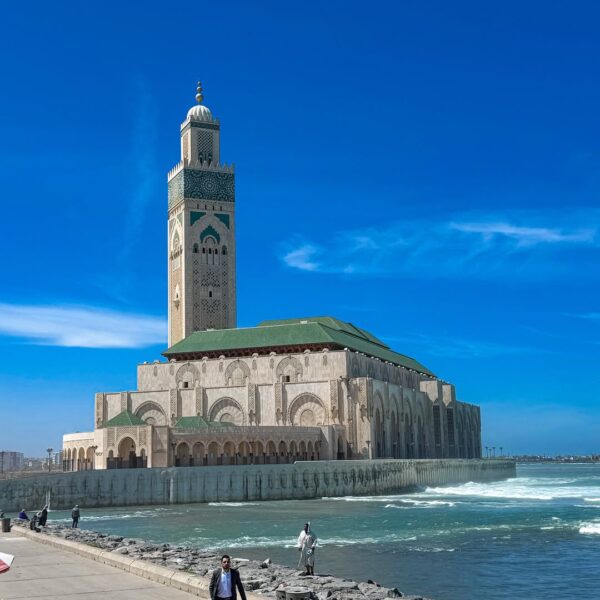
Morocco is a country with a rich history, diverse culture, beautiful landscapes, and a growing international student community. Cities such as Rabat, Casablanca, Marrakech, Fez, Tangier, and Agadir offer different experiences for students. Each city has its own atmosphere, advantages, and challenges. Some students choose Morocco because of its educational opportunities, while others are attracted by its culture, languages, relatively affordable lifestyle, and geographical location between Europe and Africa.
For international students, Morocco can be a particularly interesting place to live because students have the opportunity to experience a different culture while continuing their education. Arabic and French are widely used, while English is increasingly common among young people and in international environments. Living in Morocco can therefore also help students improve their language and communication skills.
However, moving to a new country always requires preparation. Students should not think about safety only in terms of serious crime. Everyday safety can also involve protecting personal belongings, avoiding scams, understanding transportation, respecting cultural traditions, knowing local laws, and learning how to respond to emergencies.
Morocco can be a safe destination for international students who use common sense and take reasonable precautions. Like any country, there are areas and situations where students should be more careful, but this should not prevent them from enjoying their experience. One of the most important things for students is to become familiar with their city and neighborhood. Whether you are studying in Marrakech, Rabat, Casablanca, Fez, Tangier, Agadir, or another Moroccan city, take some time to understand your surroundings, learn the safest ways to travel, and ask your university or fellow students for advice.
For most students, everyday safety concerns are more likely to involve petty theft, scams, traffic, unwanted attention, getting lost in unfamiliar areas, or misunderstandings caused by cultural differences. The best approach is to prepare before arriving and develop good habits once you are there Is Morocco Safe for Students?
One of the most common concerns among international students is whether Moroccan cities are safe. Major Moroccan cities are generally active and populated, and students can live normal daily lives. However, crowded places such as markets, train stations, tourist attractions, and busy streets can sometimes attract pickpockets and other forms of petty crime. Students should therefore keep their phones, wallets, passports, and other valuables secure, especially when they are in crowded areas. It is also better not to display expensive jewelry, large amounts of cash, or expensive electronic devices unnecessarily. Students should be careful when using ATMs and should avoid accepting help from strangers when withdrawing money. Keeping your belongings close to you and paying attention to your surroundings can greatly reduce the risk of theft.
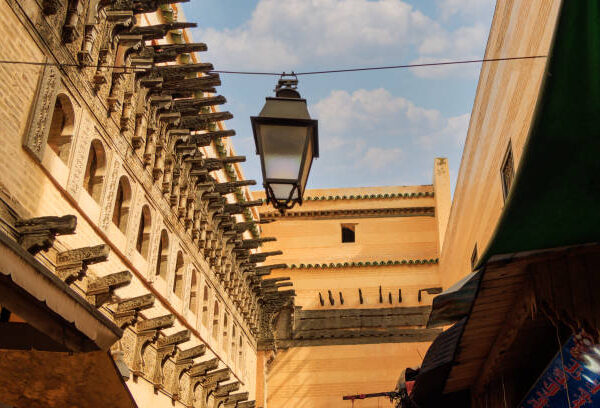
Another issue students may experience is scams. Tourist areas, especially busy markets and historic medinas, can sometimes attract people who try to charge visitors high prices for services or offer unsolicited assistance. New international students may be particularly vulnerable because they are unfamiliar with the local environment. Students should therefore be cautious when someone approaches them unexpectedly and offers a service, tour, transportation, or other assistance. If you want to visit a historic site or medina with a guide, it is better to use an established and reputable tour company or official guide. Students should also agree on prices before accepting a service and should not feel pressured to pay money simply because someone claims they have provided assistance.
Morocco has a lively social environment, and students can enjoy restaurants, cafés, cultural events, and other activities after dark. However, students should be more careful when traveling at night, especially in unfamiliar areas. Walking alone through isolated streets or poorly lit areas is not recommended. Students can reduce risks by going out with friends, staying in busy areas, arranging transportation before leaving, and telling someone where they are going. If a student feels uncomfortable or believes that a situation is becoming unsafe, it is better to leave the area and go somewhere populated and secure Is Morocco Safe for Students?
Female students can study and live in Morocco, but they should be aware that unwanted attention and harassment can sometimes occur. Cultural attitudes toward women can be different from what some international students are accustomed to. Female students may therefore prefer to travel with friends at night, avoid isolated areas, and remain aware of their surroundings. Clothing is another cultural consideration. Morocco is a diverse country, and attitudes can differ depending on the city and neighborhood. Tourist areas may be more relaxed, while conservative communities may have different expectations.
International students do not need to completely change who they are, but dressing respectfully and understanding local customs can make daily life easier and help students feel more comfortable.Students should understand that Morocco has its own laws and regulations. Something that may be legal or socially acceptable in a student’s home country may not necessarily be treated in the same way in Morocco. International students should therefore learn about Moroccan laws before arriving and should always respect them. This is particularly important when it comes to drugs. Illegal drugs can lead to serious legal consequences. Students should never carry illegal substances and should never accept packages, luggage, or unknown items from strangers, especially when traveling internationall Is Morocco Safe for Students?
Students should also understand Moroccan religious and cultural traditions. Morocco is a Muslim-majority country, and religion plays an important role in everyday life. Students should show respect for religious practices, particularly during Ramadan. Respecting Moroccan culture does not mean that international students cannot enjoy themselves. Morocco has a rich social and cultural life, and students can enjoy Moroccan food, music, festivals, markets, cafés, historical sites, beaches, mountains, and many other activities.
Transportation is another area where students need to be careful. Morocco has trains, buses, taxis, and other transportation options that make it possible to travel between cities. Public transportation can be convenient, but students should remain aware of their belongings in crowded vehicles and stations. Road safety is particularly important. Traffic can be busy, and driving habits may be different from what students are used to in their home countries. Students should be careful when crossing roads and should not assume that vehicles will always stop for pedestrians.
Students who are considering renting a car should make sure they understand local driving rules and conditions before driving. For students who are unfamiliar with Morocco, using established transportation options may be easier than driving themselves. Taxis are commonly used in Moroccan cities, but students should understand how fares work and be cautious about unofficial transportation. It is a good idea to know the expected price of a journey or make sure that the correct fare system is being used before starting the trip.
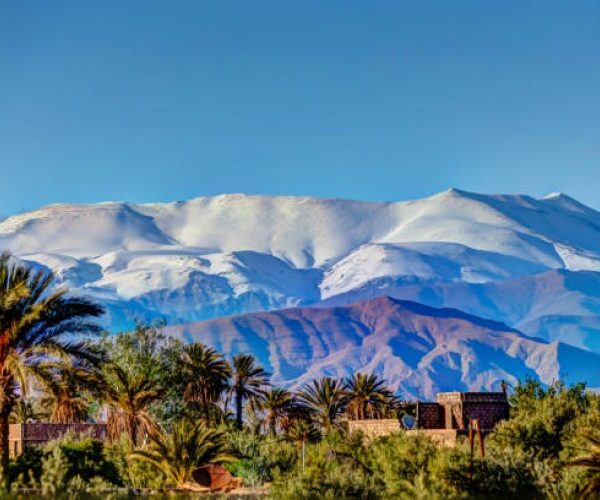
One of the best parts of studying in Morocco is having the opportunity to explore the country outside the classroom. Students can use weekends, holidays, and university breaks to discover Morocco’s diverse landscapes and cultural heritage. Depending on where you study, you can visit historic cities such as Marrakech, Fez, Rabat, and Meknes, explore the blue streets of Chefchaouen, experience the coastal atmosphere of Essaouira and Agadir, visit the Atlas Mountains, discover traditional villages, or experience the Moroccan desert.
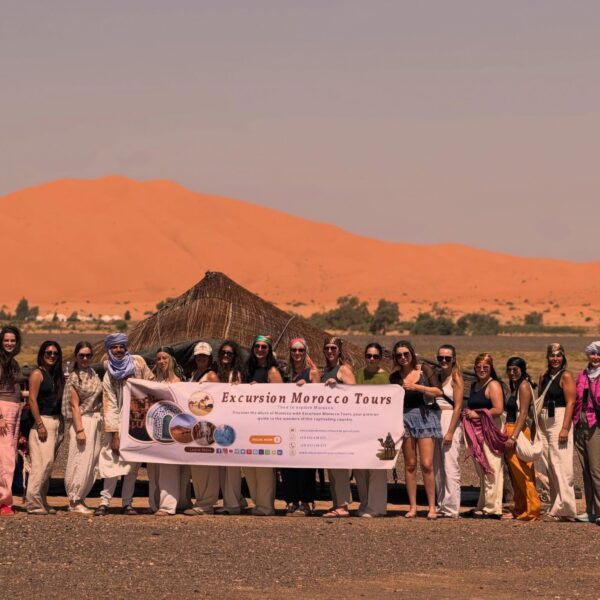
For students who want an easier and more organized way to discover Morocco, Excursion Morocco Tours can be a useful option. The company offers excursions and tours that can help students discover different parts of Morocco and experience the country’s landscapes, cities, culture, and traditions. Joining an organized excursion can be a good way for international students to travel with other people, discover places they may not know about, and make the most of their time in Morocco. Whether you are interested in exploring the Sahara Desert, visiting the Atlas Mountains, discovering historic cities, experiencing Moroccan villages, or taking a day trip from your university city, an organized excursion can make travel simpler and more enjoyable.
For students who are new to Morocco, traveling with an experienced local tour company can also be a great opportunity to learn more about Moroccan history, traditions, food, and everyday life while exploring different parts of the country. Students can choose trips according to their budget, schedule, interests, and preferred level of adventure, making it possible to combine their studies with unforgettable travel experiences.
Students should take a few basic precautions when traveling around Morocco. Before leaving, tell a friend or family member where you are going, keep your phone charged, carry important contact information, and make sure you know where you will stay. Students should keep their passports and other important documents secure and avoid carrying unnecessary valuables. If you are traveling to the desert, mountains, or other remote areas, make sure the tour operator or transportation provider is reputable and that the activity is appropriate for your level of experience.
Health is another part of student safety. Before moving to Morocco, students should make sure they have appropriate health or travel insurance. They should also know where the nearest hospital, clinic, pharmacy, or medical facility is located. Students who take prescription medication should research whether they are allowed to bring their medication into Morocco and should carry appropriate documentation when necessary. Food and water are also worth considering when first arriving in Morocco. Students should be careful about food hygiene, especially during the first few weeks while their bodies adapt to a new environment.
Morocco can experience earthquakes, flooding, and wildfires. A major earthquake affected parts of the country in 2023, demonstrating that natural disasters can occur even in areas where students may not expect them. Students should learn the emergency procedures at their university and accommodation. They should know where to go during an emergency and should follow instructions from local authorities.
Students should keep their passport, visa, residence documents, university documents, and insurance information secure. It is a good idea to keep copies of important documents in a safe digital location in case the originals are lost. Students should also save important telephone numbers before arriving. These should include emergency services, university staff, accommodation contacts, family members, and their country’s embassy or consulate.
Another important part of safety is communication. International students should not isolate themselves. Making friends with classmates and other international students can make life easier and safer. Students can share information about neighborhoods, transportation, accommodation, university procedures, and places to visit. Universities can also provide valuable support. International student offices, student associations, residence staff, academic advisors, and university security can help students deal with problems. If a student experiences a serious problem, they should not hesitate to ask for help.
Students should also be careful when meeting people online. Social media and dating applications can be useful for meeting new people, but students should remember that not everyone they meet online has good intentions. Meeting someone for the first time in a public place and telling a friend where you are going are sensible precautions. Students should also avoid sharing sensitive personal information, financial details, passport information, or accommodation details with people they do not trust.
Political demonstrations can occur in different parts of Morocco. Even when a demonstration begins peacefully, situations can change quickly. Students should avoid large political gatherings and demonstrations, particularly if tensions are increasing. If there is a demonstration near your university or accommodation, follow local instructions and avoid the area if possible.
Terrorism is another risk that students should be aware of, although it should not dominate their everyday life. Like many countries around the world, Morocco has security concerns related to terrorism. Students should remain aware of their surroundings, particularly in crowded public places and major tourist locations, and follow instructions from local authorities. Being aware does not mean living in fear. It simply means making sensible decisions and knowing how to react if an unusual situation occurs.
The easiest way to stay safe is to develop good everyday habits. Students should avoid unnecessary risks, protect their belongings, be cautious with strangers offering unexpected services, use reliable transportation, avoid isolated areas at night, and respect Moroccan laws and customs. Students should also learn a few basic phrases in Arabic or French. Even if their university program is taught in English, knowing simple expressions can make everyday communication much easier. Being able to ask for directions, communicate with taxi drivers, order food, ask for help, or explain an emergency can be extremely useful.
While safety is important, studying abroad is also about discovering new opportunities. Morocco gives students the chance to experience a different culture, learn languages, meet people from around the world, discover historical places, enjoy Moroccan cuisine, and develop greater independence. Students can also travel during weekends and holidays, making their university experience much more than simply attending classes. From the beaches of the Atlantic coast to the Atlas Mountains and the Sahara Desert, Morocco offers an extraordinary variety of landscapes within one country.
So, is Morocco safe for students? The answer is yes, Morocco can be a safe and enjoyable destination for international students, but students need to be responsible and prepared. Morocco has many advantages as a study destination, including its cultural richness, international environment, diverse cities, welcoming communities, and opportunities for personal growth.
At the same time, students should take reasonable precautions. They should protect their belongings, be careful with scams, avoid isolated areas at night, respect Moroccan laws and customs, pay attention to road safety, use reliable transportation, stay away from demonstrations, and know how to get help in an emergency. Female students should take additional precautions regarding unwanted attention, while LGBTQ+ students should understand the country’s legal and social environment before making their decision to study there. All students should understand that Moroccan laws and cultural expectations may be different from those in their home countries.
Students should also take advantage of their time in Morocco by exploring beyond their university city. Organized excursions can be an excellent way to discover the country’s culture and landscapes while making new friends and creating unforgettable memories. Excursion Morocco Tours can help students experience different destinations across Morocco through organized trips and excursions, giving them the opportunity to discover more of the country while making the most of their student life.
Ultimately, safety is not about finding a country where nothing can ever go wrong. Such a country does not exist. Safety is about understanding your environment, recognizing risks, making responsible decisions, and knowing what to do when something unexpected happens.
For students who are prepared and respectful, Morocco can offer a memorable and valuable international education experience. It is a country where students can study, make friends, learn languages, discover a new culture, travel to incredible places, and develop greater independence